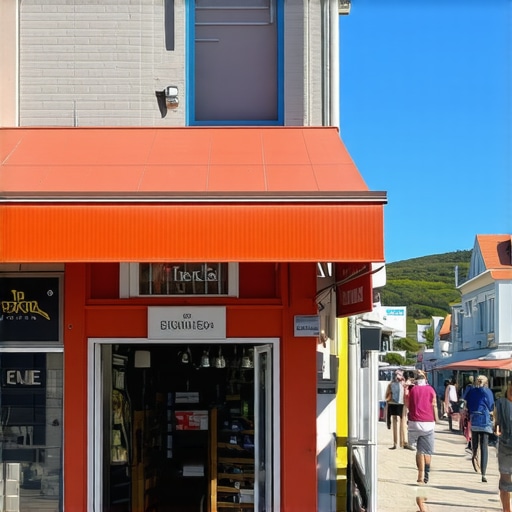
I remember the sting of realizing that, despite all my efforts, my Anchorage storefront was invisible on Google Maps. It was a cold winter morning when I finally checked my listing and saw my shop was nowhere to be found. Frustration surged—I was doing everything I thought was right but still couldn’t attract local customers online. Have you ever experienced that sinking feeling, wondering why your business isn’t showing up where you need it most? That lightbulb moment made me realize something needs to change—and fast.
Why Local Visibility Still Matters More Than Ever
In 2026, the local search landscape has become more competitive and more critical for small businesses in Anchorage. Consumers rely heavily on Google Maps and local SEO to find nearby shops, restaurants, and services. If your shop isn’t visible on Google Maps, it’s effectively like your business doesn’t exist to your target customers. According to recent studies, nearly 76% of people who search for something nearby visit a business within 24 hours, making local visibility a top priority for growth. Yet, many shop owners still struggle with being seen, even when they do all the right things.
This challenge isn’t just about notoriety; it’s about survival in a hyper-competitive landscape. I’ve learned through trial, error, and a fair share of mistakes that optimizing your Google My Business (GMB) profile isn’t enough anymore. There are new hurdles—algorithm updates, AI-driven search, and evolving user behaviors—that require a fresh approach. I’ve been there, making early mistakes like neglecting to verify my listing or ignoring reviews, which only hampered my chances. Trust me, I get it. I’ve learned the hard way that understanding why your shop isn’t showing can save you time, money, and customer heartache.
If you’re feeling confused about why your Anchorage business isn’t popping up when people search, you’re not alone. Luckily, there are proven strategies to turn this around. With targeted adjustments, your shop can outrank competitors and start drawing in locals—and tourists—looking for what you offer. Want to know what might be holding you back and how to fix it? Keep reading, because I’m about to share the practical steps that helped me—and countless others—rediscover success on Google Maps.
Is local SEO really worth the hype?
Early on, I dismissed some local SEO tips as overhyped or unnecessary. I made the mistake of thinking my physical storefront alone would attract enough traffic—big mistake. In fact, ignoring nuances like NAP consistency or local link building can dramatically hurt your visibility. Don’t fall into that trap. Check out this guide for detailed strategies on ranking higher. Getting your local SEO right is perhaps the most cost-effective way to draw in new customers in 2026—and beyond. So, are you ready to fix what’s broken and boost your local presence? Let’s dive into how to do just that.
Claim and Verify Your Google My Business Profile
My first move was to ensure my shop’s GMB profile was claimed and verified — think of it like placing a flag on your digital turf. I logged into Google Maps, searched for my business, and followed the verification process via mail, phone, or email. During this process, I encountered a delay, which temporarily kept my listing invisible. Once verified, I saw my business appear on maps, but it still didn’t rank high. Verification is just the first step; optimizing your profile is where the magic begins. Check out this guide to understand the full verification and optimization process.
Optimize Your Business Information for Local Relevance
Next, I refined my business information. This meant ensuring my NAP details—name, address, phone number—were consistent across all platforms. Think of consistency as telling Google and customers, “This is my shop, clear and true.” I also added comprehensive categories, crafting a description that highlighted what I offer with keywords that locals search. Incorporating relevant keywords is like planting flags on key search terms; it signals to Google where your shop fits in local searches. For example, I included terms like “art gallery in downtown Anchorage” to attract tourists and residents alike. Regularly updating these details and categories boosts visibility, especially when competitors neglect these basics.
Rely on Reputation and Reviews
Reviews became my secret weapon. I reached out to happy customers, encouraging them to leave honest feedback. It’s similar to word-of-mouth, but amplified online. I responded promptly to reviews, especially negative ones, showing I valued customer feedback—this strengthens my profile’s credibility. Google favors active profiles with higher engagement, so every review counts. I learned that offering small incentives or simply asking politely in person or via email could prompt more reviews. For extra impact, I showcased positive reviews on my website and social media to build social proof. This process is akin to building a reputation in your community, but in the digital realm.
Leverage Local Keywords and Content
Keyword optimization isn’t a one-and-done task. I researched local search terms using tools like Google’s Keyword Planner and third-party options. I then infused my GMB profile and website with keywords like “best coffee shop Anchorage” or “local art boutique downtown.” I also created posts highlighting events, new products, or community involvement—these frequent updates signal activity to Google, boosting my rankings. Think of content as the ongoing conversation with your local audience and Google, demonstrating active participation. For instance, I organized a local art walk and shared event details through GMB posts to increase my shop’s prominence.
Build Local Links and Citations
My biggest breakthrough came from local link building. I reached out to Anchorage-specific directories, like the ones listed on this resource, and secured listings. These citations act as digital endorsements, similar to references in a resume, bolstering my authority. I also collaborated with local bloggers and sponsored community events, earning backlinks from local news websites. These backlinks serve as trust signals to Google, helping my shop climb the local rankings. It’s like building a network of trusted neighbors who vouch for your shop’s authenticity.
Monitor, Analyze, and Adjust
Finally, I kept a close eye on my analytics via Google Search Console and GMB insights. Tracking visits, calls, and Map views revealed what worked and what needed tweaking. For example, I noticed my Map clicks increased after posting event updates, prompting me to do more of those. Regularly reviewing your data allows you to adapt your strategy promptly. Think of it as steering a boat: constant adjustments keep you on course toward improved visibility and customer engagement. Use the insights from this guide to fine-tune your SEO tactics.
Many local business owners in Anchorage fall prey to common misconceptions about Alaska local SEO that can undermine their marketing efforts. One widespread myth is the belief that simply claiming and verifying your Google My Business (GMB) profile guarantees high rankings. In reality, optimization is a nuanced process involving detailed keyword research, consistent NAP information, and active reputation management. Relying solely on basic profile setup often leads to missed opportunities for visibility. For in-depth strategies, consult this guide on ranking higher in Google Maps.
Another misconception is that local SEO is a one-off task. Many believe that optimizing their profile once is enough, but search algorithms evolve, especially with Alaska-specific factors like seasonal fluctuations or tourist influx. Continuous content updates, review management, and citation building are vital. Remember, sophisticated techniques like local link building and AI-driven keyword integration can significantly boost your visibility — so don’t settle for static strategies. For advanced tactics, explore this resource.
Now, let’s address a critical trap that many new owners overlook: ignoring the ‘hidden’ nuances of proximity and the Google algorithm’s regional quirks. Popular advice often emphasizes keywords and reviews but neglects proximity, a vital factor for Anchorage businesses. Many assume that if their NAP info is correct, rankings will automatically follow. However, Google’s local search algorithm in Anchorage heavily favors proximity, especially for businesses in less densely populated areas. This means even with perfect profile optimization, being further from the centroid of local search intent can unintentionally limit visibility. A deep understanding of Google’s regional algorithms can be your secret weapon. To master this, one should consider this expert advice.
What advanced mistakes do Anchorage businesses commonly make that most overlook?
Many local shops underestimate the importance of local content and community signals—elements that influence Google’s regional algorithms more than most realize. For example, sponsoring local events or engaging with community projects signals your commitment to the Anchorage area, boosting local relevance. Additionally, neglecting mobile optimization or failing to monitor analytics can cause missed opportunities for improvement. According to Moz’s Local Search Ranking Factors survey, reviews, citations, and local relevance combined have a significant impact on rankings, but the regional nuances specific to Alaska demand even more tailored strategies. Being aware of these hidden factors can be the difference between being seen and remaining invisible. Want to master these advanced tactics? Dive into this comprehensive guide.
So, next time you hear that local SEO is just about keywords or reviews, remember there’s a layered complexity to it—especially in Alaska’s unique environment. For sustained growth, focus on continuous optimization, regional relevance, and community signals, all tailored to Anchorage’s dynamics. Have you ever fallen into this trap? Let me know in the comments, and share your experiences or questions about mastering Anchorage local SEO.
Maintaining Your Local SEO in Anchorage: What Tools Make the Cut?
Long-term success in Anchorage’s competitive local SEO scene hinges on consistent upkeep and leveraging the right tools to streamline your efforts. Personally, I rely on SEMrush for comprehensive keyword tracking and competitor analysis; its local keyword feature helps me identify emerging search terms specific to Anchorage, ensuring my content stays relevant. Moz Local is indispensable for maintaining NAP consistency across directories—it’s crucial because inconsistent listings can tank your rankings, as explained in this guide.
Google’s own tools, like Search Console and GMB Insights, are also invaluable for monitoring your profile’s health. I set regular alerts to review performance metrics, which helps me spot declines or opportunities before they impact my visibility. Remember, SEO isn’t a ‘set and forget’ game—it’s about ongoing adjustments based on real data.
Predicting the Future of Anchorage Local SEO
Looking ahead, I anticipate that AI-driven search personalization and voice search will become more dominant. Tools that incorporate machine learning, such as BrightLocal’s rank trackers, will be essential in adapting to these changes. The trend I see is a move towards hyper-local, personalized content that resonates with individual search intent, especially in a unique environment like Anchorage. Staying ahead means embracing these innovations now; for example, customizing GMB posts with local event details that align with trending searches can boost your visibility.
How do I keep my Anchorage SEO optimized over time?
One key strategy is periodic audits. I revisit my profile and website using tools like brightlocal or Whitespark, pinpointing issues like outdated NAP info or missing citations. Regularly updating content—be it seasonal promotions or community involvement posts—keeps your profile active and signals relevance to Google. Focus on building local backlinks, too; partnering with local bloggers or sponsoring community events can generate authoritative links that consolidate your local presence, as highlighted in this article.
In my experience, setting a consistent schedule—monthly reviews and quarterly strategic updates—ensures no detail is neglected. With tools like SEMrush or Moz Local automating some tasks, I can focus more on creating genuinely engaging content that appeals to Anchorage residents and visitors alike. The future of local SEO in Anchorage is dynamic, but with the right tools and a proactive approach, your business’s visibility can stay resilient and grow. Ready to dive into these tools? Try integrating Google Search Console insights into your routine this week for a quick win.
What I Wish I Knew Before Putting All My Eggs in the Google Maps Basket
One of the most eye-opening lessons I learned was the importance of regional nuances—like Anchorage’s unique seasonal flows and tourist influx—that influence my local SEO strategy more than generic tactics. Focusing solely on standard optimization without considering these local signals can leave your shop hidden in plain sight. I also discovered that continuous community engagement, such as sponsoring local events or collaborating with nearby businesses, significantly boosts my authority signals. Lastly, I underestimated how mobility and voice search would reshape search behaviors in Anchorage; optimizing for these channels now gives me a competitive edge I didn’t realize was vital.
My Secret Arsenal for Sustained Success in Anchorage SEO
Over time, I’ve grown to trust tools like Moz Local for maintaining NAP consistency because outdated info kills rankings. Google Search Console provides real-time insights that keep me agile. For local keyword insights, I rely on SEMrush, helping me discover emerging search terms that connect with Anchorage residents and visitors alike. These tools help me adapt proactively, ensuring my shop remains visible no matter how search engines evolve.
Your Next Step Toward Dominating Anchorage Google Maps
Remember, local SEO isn’t a one-and-done task—it’s a continuous journey of adaptation, community signals, and regional understanding. The secrets to ongoing success lie in staying informed, engaging authentically, and leveraging the right tools for your unique Anchorage environment. If you haven’t already, start exploring these strategies, and soon you’ll see your business no longer hiding in the shadows but shining brightly on Google Maps. Are you ready to take control of your local presence and outshine your competitors? Share your thoughts or questions below—let’s grow together!